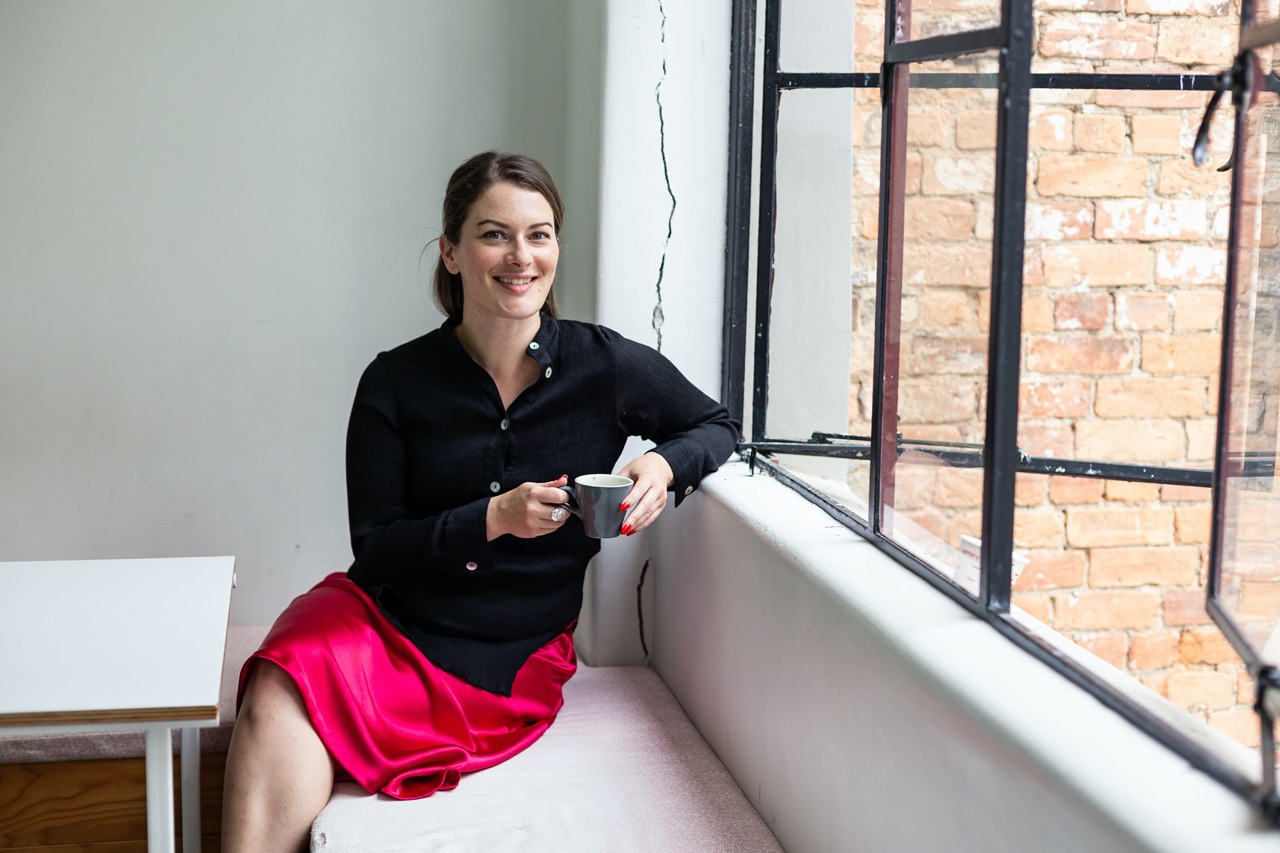
I heard from someone recently that they didn’t perceive my business as being "about sustainability" — which honestly shocked me.
How do they not know the purpose of my business? I thought. Sustainability, or better yet - regeneration, is the whole reason it exists. I started Impact Digital because I wanted to help grow the market share of regenerative businesses in Aotearoa, while helping to create a healthy, connected, thriving Tamaki Makaurau.
And that ethos carries through into the way I work, too. I prioritise waste-conscious suppliers for events, use active and public transport, support community initiatives through pro-bono work, and try to make decisions that align with the kind of future I want to help create.
Of course, this is my short coming. There are clearly some gaps in my storytelling. So it felt like the right time to address that.
Because it does pull on a thread I’ve been noticing more broadly lately — you see it in the political sphere too — the tension between talking about climate change and sustainability, and speaking to people in language that actually resonates with them.
As purpose-driven founders, we often assume that if people just understand why, they’ll want to do the right thing and change their behaviour. But this is not always true.
People aren’t purely logical. There are different barriers to change, and behaviour is shaped by the systems individuals inhabit. Sustainability language can sometimes feel too broad, abstract, or overwhelming — especially when you’re trying to communicate benefits in a way that connects with wider society.
This week I was interviewed by Melody Renaud, who’s researching cycling culture for her Master’s thesis. She asked what first got me wanting to cycle, and tracing it back over the last decade, I realised it started with a university club focused on quality urban design.
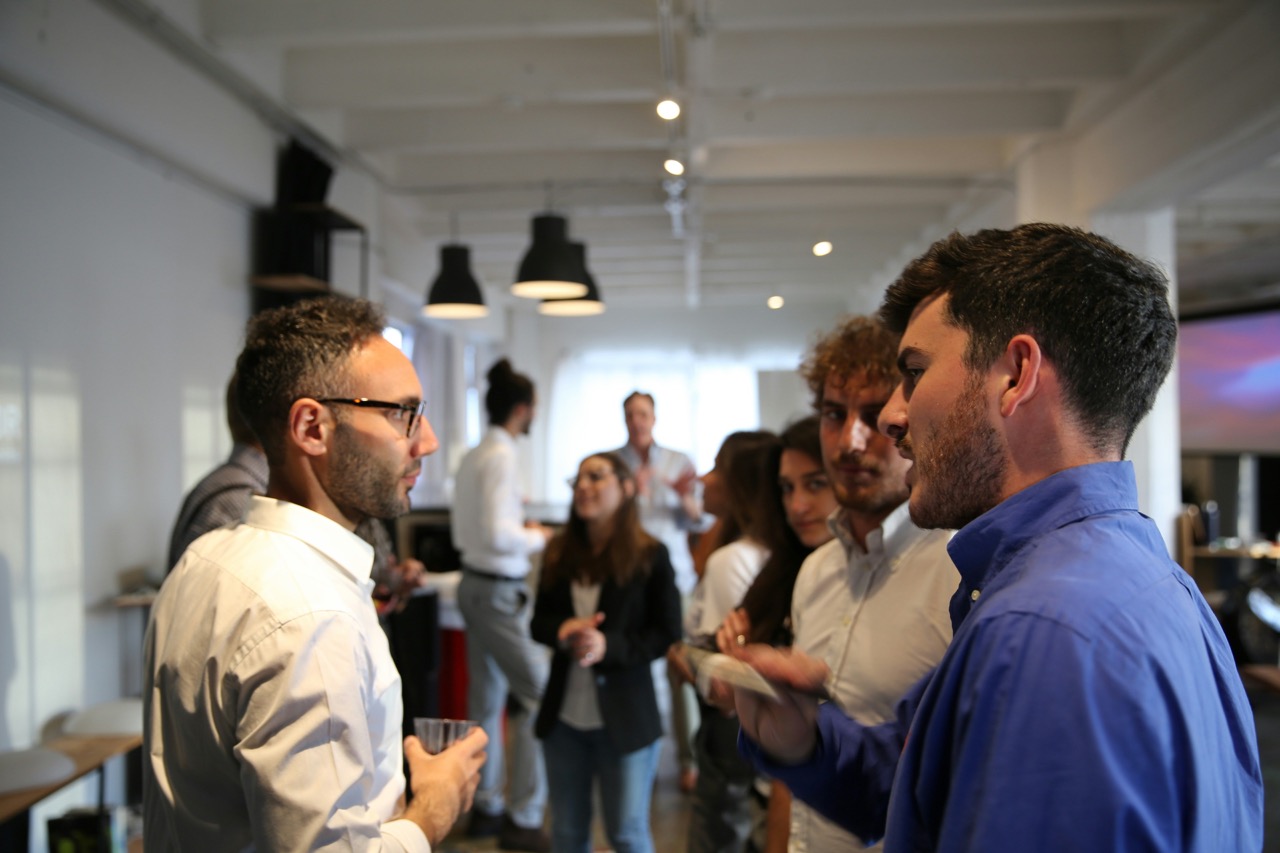
That community-based approach is potent for systems change — especially when it intersects with arts and creativity. As I’ve discussed previously, the arts are, and have always been, a force for growth and change.
Personally, that’s where my strengths lie. So I’ve made an intentional decision to contribute to sustainability through creative and relational methods — rather than scientific or technical communication. For me, that looks like PR campaigns, communications strategy, events, and helping ideas spread through connection and culture.
That’s why my work may not sound like sustainability, but rather it feels like the type of future you want to be a part of. I'm focussed on just getting on and doing these things we talk about.
We need better ways to break down ideas of sustainability into accessible, tangible actions people can connect with. The difference between fact-focused sustainability communications and people-focused behaviour change strategies is this: one sounds like sustainability; the other feels like the world you want to live in. And I think that’s the key.
We don't have to convince people there's a right way to do things. We can simply invite them in, in a way they want to engage.
That’s where your business can come in.
What issues matter most in your industry?
How can you educate people around them?
And how can you integrate systems-change strategies into your marketing?
I’m all ears, if you’d like to share.
📌 This was Issue 39 of The Forward — our regular communication for conscious-minded business leaders.
Don't miss an issue — get insights and ideas like this straight to your inbox by joining our mailing list.